What we know,
and what it means
for your position.

We analyse the forces shaping energy, technology, and commercial policy across Southeast Asia — what they mean for capital, operators, and states seeking to act with intelligence and integrity.

Report

Capital, Confidence, and Consequence: Malaysia’s Test to Grow Global Fund Inflows

May 24, 2026

Malaysia has become the default ASEAN safe haven for global capital — American hyperscalers, Chinese industrial builders, Gulf sovereign wealth, and European manufacturers all arriving at once. Putrajaya now faces a more demanding test than attraction: making that capital work for Malaysian workers, SMEs, and communities, not just for foreign shareholders and investment scorecards.

Report

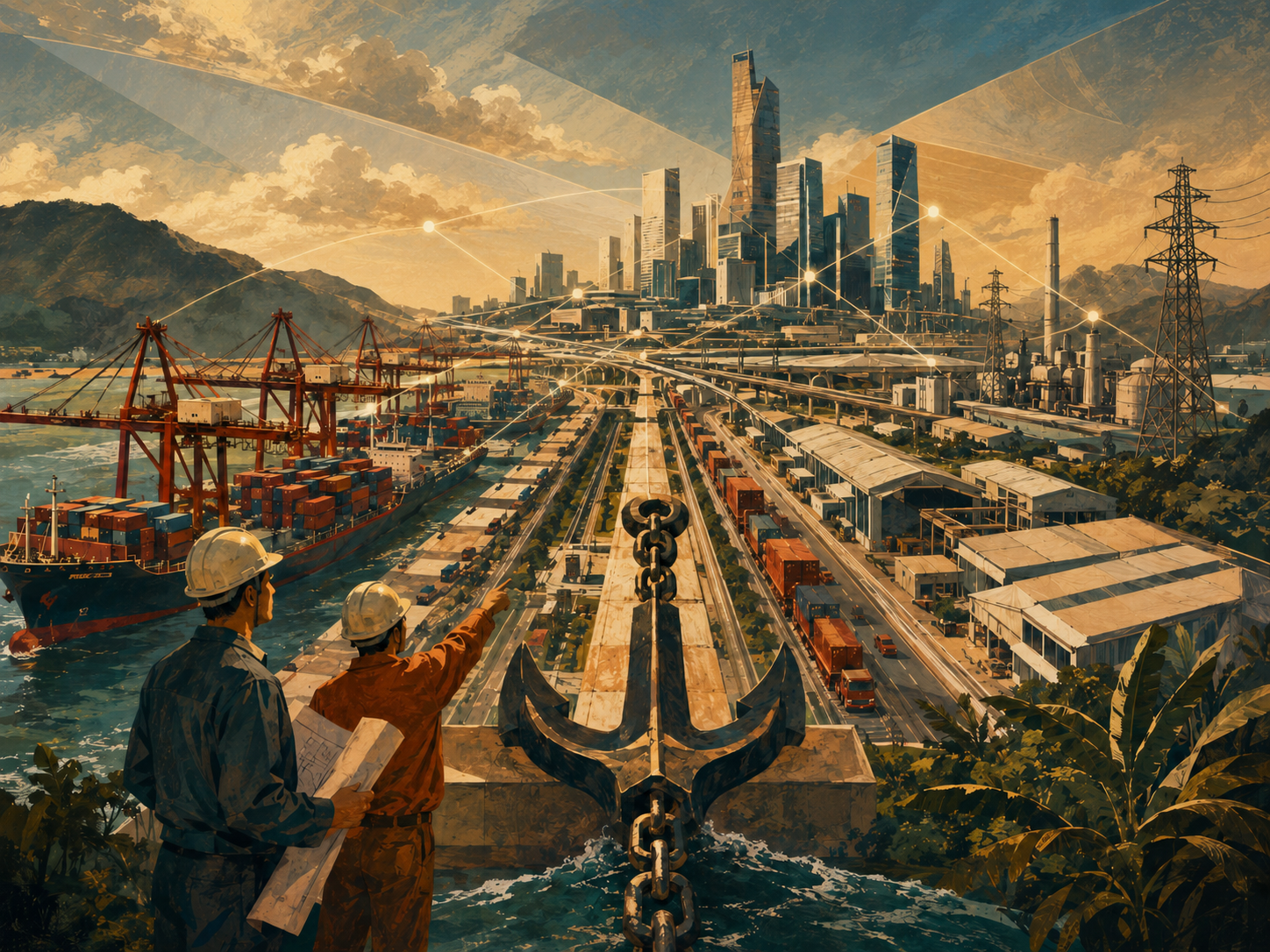
From Tax Arbitrage to Sovereign Anchorage: The New Economics of Special Economic Zones

May 6, 2026

As jurisdictional arbitrage reaches its structural limit under the 2026 Hormuz blockade and Pillar Two tax floor, ASEAN SEZs must pivot from shallow tax enclaves to high-capacity operating platforms. The future of regional resilience lies in "Institutional Stack Zones" that trade on energy security and data fiduciary models to anchor durable capability rather than merely subsidizing mobile capital.

Report

Laying Groundwork: Finance, Rules, and Trust to Shape Malaysia’s Green Energy Plan

April 21, 2026

Trillion-ringgit ambitions and Southeast Asia's richest biogas feedstock — Malaysia's green energy sector has the ingredients. What it needs now is enforceable law, bankable project structures, and unified regulation.

Report

The Cost of Not Stopping

April 17, 2026

A bottom-up account of what two unresolved conflicts are doing to the structural foundations of American economic primacy. The visible costs are large. The structural ones — in payment architecture, supply chains, and the quiet redrawing of global financial plumbing — are larger and harder to reverse.

Report

Crisis as Catalyst for Growth

April 8, 2026

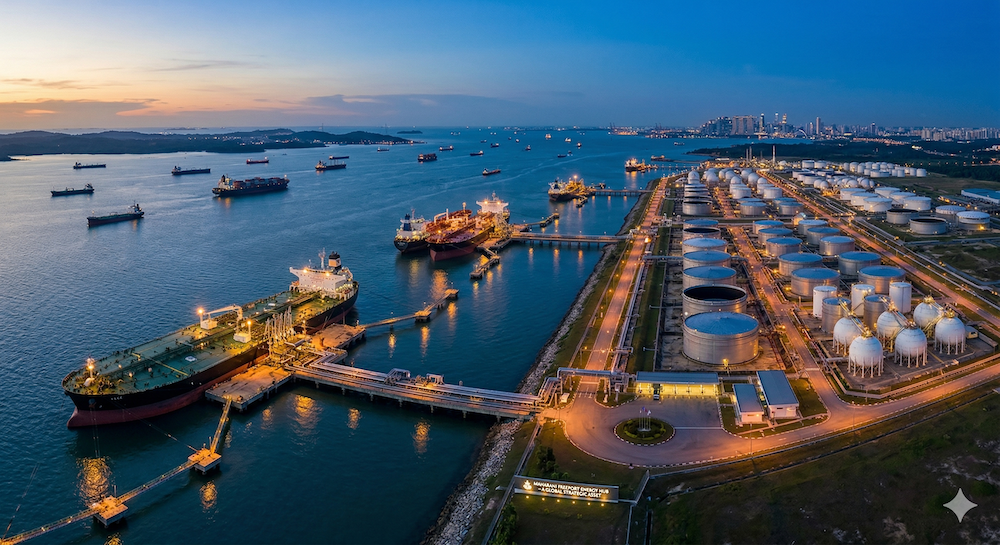
The US-Israel war on Iran has choked the Strait of Hormuz and sent Asian oil importers scrambling — creating a rare opening for Malaysia's Maharani Freeport, a deepwater VLCC-capable hub on the Malacca Strait with duty-free status and a 3% oil trading tax that undercuts Singapore. But infrastructure and incentives alone won't secure its future: to become a permanent trading hub rather than a wartime overflow depot, Maharani must attract the global trading houses needed to earn S&P Global Platts' benchmark recognition. The clock is ticking.

Opinion

Flashpoint Strait: The Fuse to Global Conflict

March 17, 2026

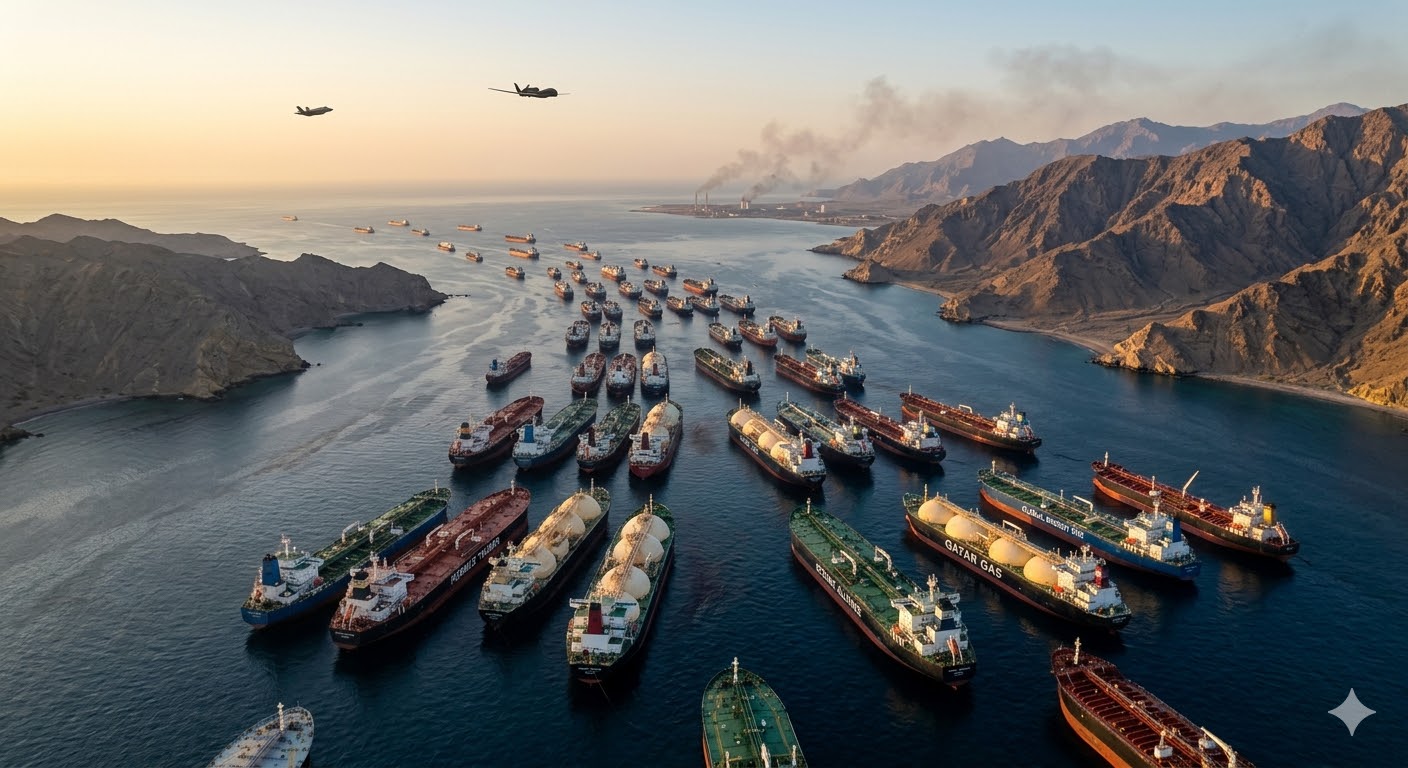
The Strait of Hormuz is closed, oil is above $110 and climbing, and a ten-day ultimatum from Trump has done little to break the deadlock — this is the worst energy crisis of the modern era. This brief analyses the military, economic, and geopolitical forces driving the crisis, and sets out three scenarios for how it resolves.

Opinion

The Orb, The Coup, and the Stateless Trap (Part 2)

March 1, 2026

Part 2 of a 2 part series. Even if you accepted Worldcoin's political premise, the economics don't work: a fixed-supply token in a growing economy produces deflation, freezes investment, and cannot respond to crises the way a state-backed currency automatically can. The current WLD distribution is a venture capital subsidy, not a sustainable funding mechanism, and when it runs out or token prices collapse, the safety net doesn't weaken — it vanishes entirely. Real UBI requires taxing productive assets at the point of generation, which only a state has the legal authority to do.

Opinion

The Orb, The Coup, and the Stateless Trap (Part 1)

March 1, 2026

Part 1 of a 2 part series. Worldcoin presents itself as a humanitarian project, but beneath the frictionless pitch lies a privatization of the most fundamental civic function: the recognition of persons as legal and political subjects. The 2025 Kenya High Court ruling made the stakes concrete, finding that paying vulnerable populations for their biometric data is coercion, not consent. The deeper danger is structural — if wealthy nations build sovereign UBI systems while others become dependent on a private token network, some people will hold rights while others hold coupons.

Opinion

The Arctic Mirage: Why a Ukraine Peace Deal Won’t Save ASEAN from the “Mineral Iron Curtain”

February 20, 2026

Southeast Asia’s policy class is watching the wrong theatre. While a potential Ukraine ceasefire might shift European headlines and trim near-term risk premiums, it will not unwind the structural forces now shaping ASEAN’s energy reality.

Opinion

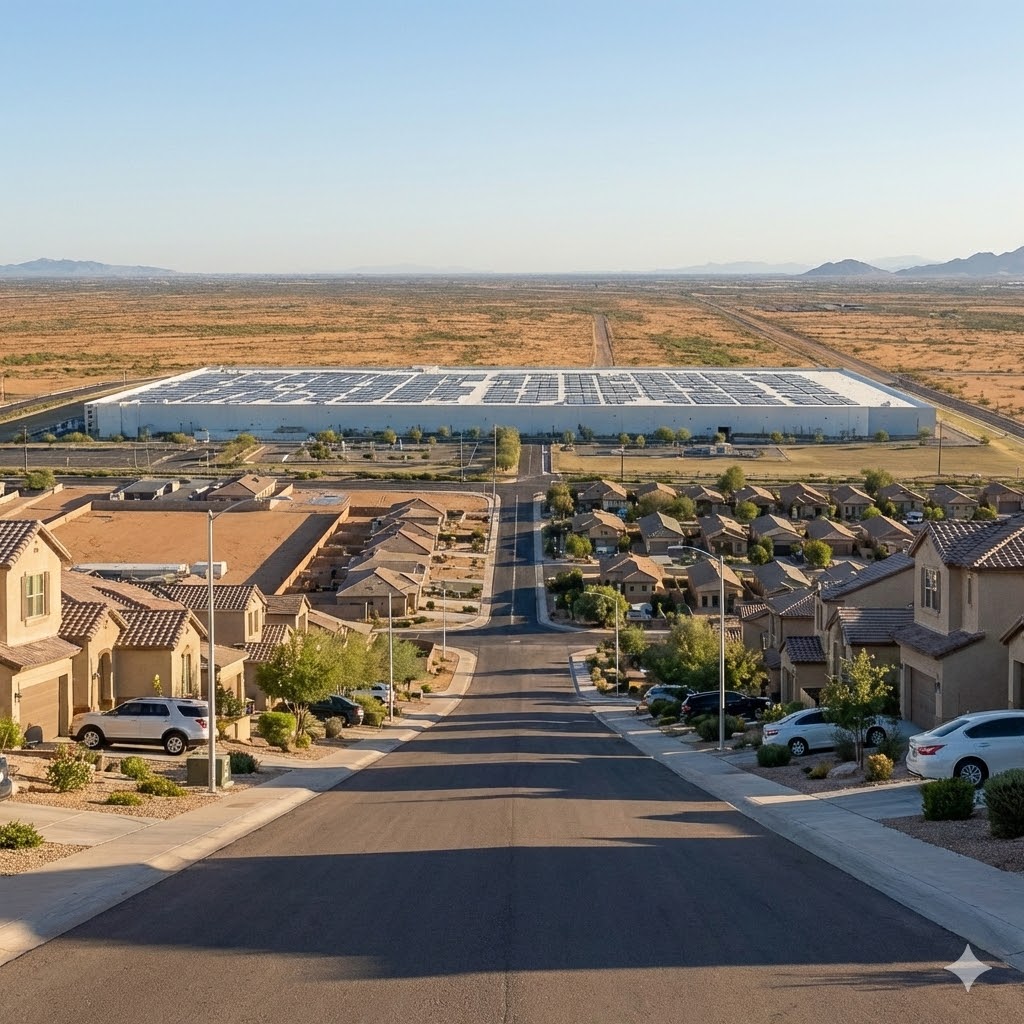
The Silicon Sponge: How Big Tech Is Draining Southeast Asia’s Energy Grid

February 9, 2026

While the world watches the diplomatic theatre of the New START treaty collapsing, US–Iran nuclear talks stuttering, and analysts obsessing over the price of a barrel of oil, a far more tangible crisis is unfolding in the humid palm oil estates of southern Malaysia [...]

Opinion

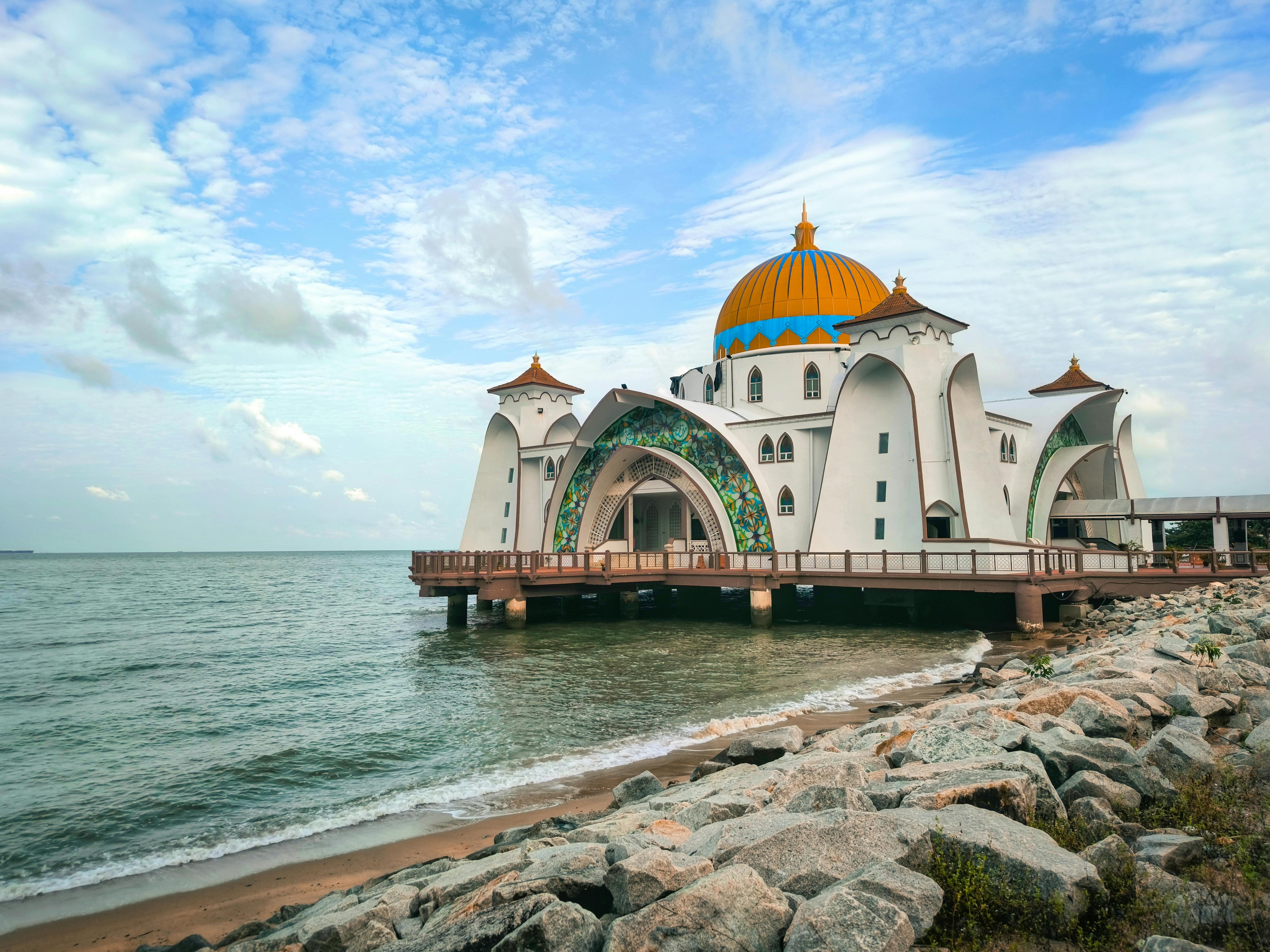
Melaka Rising: Bold Blueprint for Investment, Infrastructure and Inclusive Growth

November 17, 2025

Melaka’s bold strategic vision to transform and secure its economic future through diversified industrialisation and enhanced tourism is anchored on the ambitious Malacca Waterfront Economic Zone (M-WEZ and) Melaka Gateway maritime projects [...]

Press

Malay Mail republishes Penaga Research’s analysis on the Petronas–Petros deal

November 17, 2025

Malay Mail republished Penaga Research’s analysis of the Petronas–Petros framework agreement, highlighting its significance for Malaysia’s energy transition and Sarawak’s upstream autonomy.‍

Press

Dagang News – Penaga sees Petronas-Petros deal as pivotal for Malaysia’s energy transition and Sarawak’s growth

August 29, 2025

Dagang News – Penaga says the Petronas–Petros deal marks a pivotal federal–state alignment to drive Malaysia’s upstream growth and Sarawak-led energy transition.